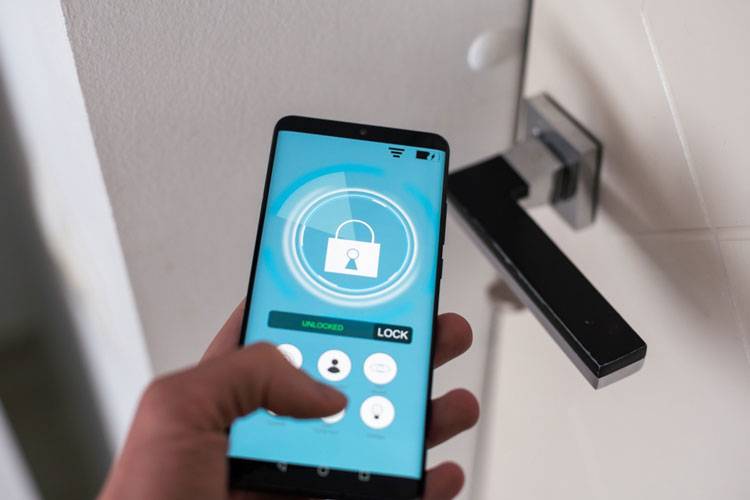
As we journey through life, our needs evolve—and so should our home security and Choosing the Right Locks. Locks are more than just metal mechanisms on a door; they’re silent guardians of our privacy, safety, and peace of mind. Whether you’re setting up a nursery, helping an aging parent stay safe at home, or just moved into your first rental apartment, your stage in life shapes what kind of lock best suits you.
For Parents: Securing the Chaos
Parents of young children know how quickly curious little hands can get into places they shouldn’t. Childproofing isn’t just about plug covers and baby gates—door locks matter too. Interior doors may need simple lever handle locks with child-resistant features to keep toddlers out of bathrooms or storage rooms. On the other hand, exterior doors should have high-quality deadbolts and possibly smart locks that notify you when a door is opened—ideal for parents of growing kids and teens who come and go independently.
Plus, keyless entry options allow you to stop hiding spare keys under the doormat. Many families benefit from smart locks that allow different codes for babysitters, grandparents, or dog walkers, which can be changed instantly for added security.
For Seniors: Convenience Meets Safety
Older adults often face physical limitations that make turning small keys or twisting tough locks difficult. Locks for seniors should focus on ease of use without compromising safety. Keypad locks or smart locks with fingerprint access offer a great balance. These eliminate the struggle of handling keys altogether and can be synced with phones or emergency services for added safety.
Seniors living alone may also benefit from locks that automatically engage when the door closes—no risk of forgetting to lock up. Installing video doorbells or intercom systems with the lock system provides extra peace of mind, especially for those who may feel vulnerable to scams or unexpected visitors.
For Renters: Flexible, Yet Secure
Renters are often limited in how much they can alter their living space—but security shouldn’t be sacrificed. If rekeying the locks after moving in isn’t an option offered by the landlord, it’s worth requesting. You never know who had a copy of the previous key. Portable security devices like smart lock pads (that don’t require drilling) or door jam bars can offer an added layer of safety without violating lease terms.
For shared rentals or apartments, keypad locks can give each roommate a unique code while keeping a master code for the leaseholder. This way, access can be granted or removed without needing to change locks altogether.
No matter your stage in life, there’s a lock solution that fits both your needs and your peace of mind. When in doubt, a professional locksmith can help you choose the best system for your specific situation—whether that’s a high-security deadbolt, a smart lock system, or customized solutions for aging in place.
Miramar Locksmith – Choosing the Right Locks
If you’re in South Florida and looking for expert advice and reliable installation, Miramar Locksmith offers trusted, tailored locksmith services to meet the needs of every family, senior, and renter. Your safety isn’t one-size-fits-all—and your locksmith shouldn’t be either. Call 954-241-1601
Frequently Asked Questions
What lock features are useful for families with young children?
Interior doors may benefit from simple lever handle locks with child-resistant features to keep toddlers out of bathrooms or storage areas. Exterior doors should have high-quality deadbolts, and smart locks can notify parents when a door is opened.
Which locks are easiest for older adults to use?
Keypad locks and smart locks with fingerprint access can reduce the difficulty of handling small keys or twisting stiff locks. Locks that automatically engage when the door closes may also help seniors who worry about forgetting to lock up.
What options can renters use without drilling or changing their doors?
Renters can consider portable devices such as smart lock pads that do not require drilling or door jam bars. They can also ask the landlord about rekeying after moving in if changing the locks is not permitted.
How can shared rentals manage access without changing the locks?
Keypad locks can provide each roommate with a unique code while keeping a master code for the leaseholder. Access can then be granted or removed without replacing the locks.